About Northumberland Fisheries Museum & Hatchery
Pictou's waterfront fisheries museum: shipwreck artifacts, a lighthouse exhibit and an operating lobster hatchery with rare coloured lobsters.
Features & Highlights
Detailed Information
The Northumberland Fisheries Museum and Pictou Lobster Hatchery sit side by side on Caladh Avenue, right on Pictou's working waterfront and a two-minute walk from the full-size Ship Hector replica at Hector Heritage Quay. The museum preserves the fishing history of the Northumberland Strait, and the hatchery beside it raises baby lobsters in full view of visitors. Together they make one of the most unusual family stops on Nova Scotia's Northumberland Shore: a heritage museum where the exhibits are alive.
The collection started as a community effort to hold on to the region's sea heritage before it disappeared. Volunteers gathered more than 2,500 artifacts, photographs, and tools from Pictou County's fishing families, and the museum opened on the waterfront to tell their stories. Displays cover the full arc of the fishery: hand-built wooden boats, a fisherman's bunkhouse recreated as it would have been between trips, a cannery display, boat models, sea heritage photos, and fishing videos. A 1930s racing boat called the Silver Bullet, built for the fast day-boats that once ran out of Pictou Harbour, is one of the museum's showpieces. The museum holds a 4.3 rating from roughly 58 reviews, making it a well-regarded stop among Pictou's heritage attractions.
The Lobster Hatchery: Baby Lobsters Up Close
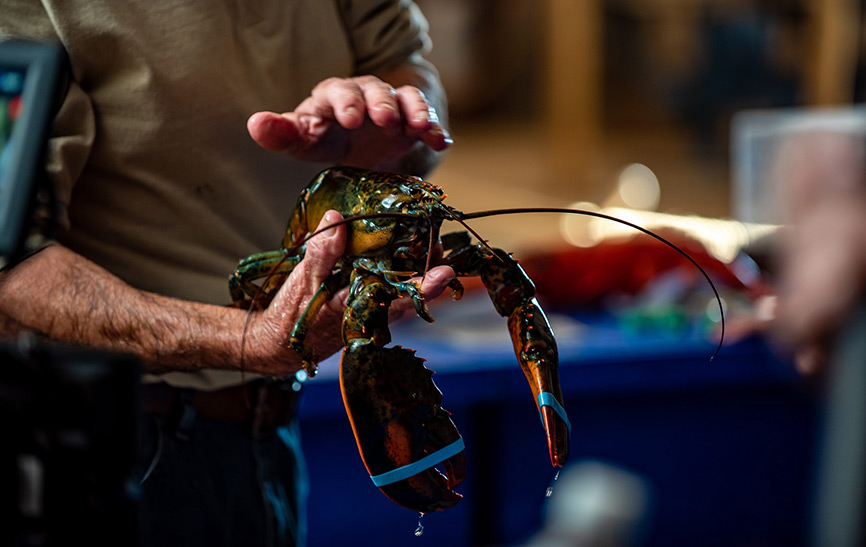
The hatchery is the reason most families visit, and it is the only operational lobster hatchery in Canada that is open to the public. Technicians collect egg-bearing female lobsters from local fishers each spring, hold them in the hatchery's tanks until the eggs hatch, and raise the larvae through four stages before releasing the young lobsters back into the Northumberland Strait. Visitors can watch every stage in the clear tanks, from tiny newly-hatched larvae to small lobsters ready for release, and the hatchery's staff explain the moulting process, the survival odds in the wild, and how the program supports lobster conservation in the strait.
The museum also keeps a tank of unusual lobsters that draw a crowd of their own: rare coloured specimens including a blue lobster, plus a few unusually large ones. Each has a name, and regulars check on their favourites. The hatchery runs an adopt-a-lobster program where visitors can sponsor a baby lobster's release, a hit with children and a practical way the museum funds its conservation work. A Tripadvisor reviewer who toured with staff member Dwight noted how he "was incredibly knowledgeable about historic and modern lobster fisheries, and explained to us how climate change is affecting them," then walked the reviewer through the brood and larvae tanks. Hands-on is the point: visitors can touch lobsters in the touch tank and hold their own for a photo.
The Lighthouse Exhibit and Shipwreck Stories
Beyond the tanks, the museum's lighthouse room is a favourite with kids. It recreates the inside of a Nova Scotia lighthouse with the original lens and light mechanism, letting visitors see how keepers lived and worked. Shipwreck artifacts and salvaged gear from the strait are displayed nearby, along with fisheries officers' memorabilia that traces enforcement and safety on the water. A bell buoy and deck exhibits outside continue the story, and the deck looks straight out over the harbour where much of this history happened. One reviewer summed up the appeal in a single line: the museum "tells the story of local fishermen, explains the techniques and has some beautiful specimens of lobsters (each with their own name and character!)."
Practical Information
Address: 21 Caladh Avenue, Pictou, NS B0K 1H0. The museum is on the Pictou waterfront, beside Hector Heritage Quay and the Ship Hector, and a short walk from the deCoste Performing Arts Centre.
Hours: Summer season roughly 10:00 AM to 4:00 PM, Tuesday through Sunday (closed Mondays). Hours vary at the start and end of season, so check the museum's Facebook page before visiting.
Admission: Modest entry fee; children are welcome, and the hatchery is included. Contact the museum directly for current rates.
Contact: (902) 485-8925 | Facebook: Northumberland Fisheries Museum (the museum's website was offline in 2026, so the Facebook page is the best source of current hours and programs).
Parking: Free on-street parking along Caladh Avenue, plus a free public lot a short walk away.
Getting There: Pictou is about 1.5 hours from Halifax via Highway 102 and the Trans-Canada Highway 104, or 45 minutes from New Glasgow. The museum is right on the waterfront, across from the Hector Heritage Quay visitor parking.
Best time to visit: The hatchery is most active from late spring through summer, when egg-bearing lobsters are in the tanks and larvae are hatching. Mornings are quieter, and the museum pairs easily with a tour of the Ship Hector, lunch on the Pictou waterfront, and a drive to the warm-water beaches at Caribou a few minutes east. Allow 45 minutes to an hour for the museum and hatchery, longer if the staff are running a hands-on tour.
